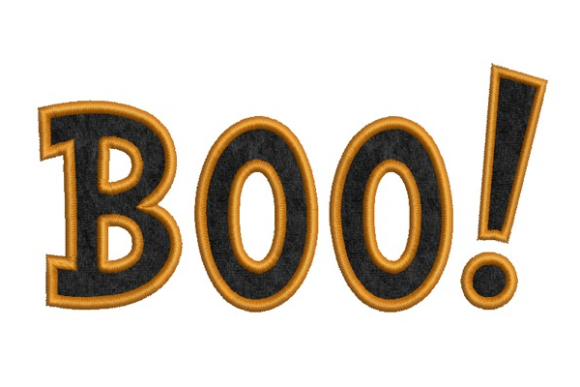
Boo – A Creative Embroidery Design
As an embroidery designer and product reviewer, I’ve seen my fair share of machine embroidery designs. But when I first laid eyes on Boo, I knew it had potential. This design isn’t just cute—it’s a versatile piece that can elevate a wide range of projects, from custom apparel to personalized gifts. Let me walk you through how Boo performs in real-life situations and where it truly shines.
The First Impression: A Whimsical, Adorable Design
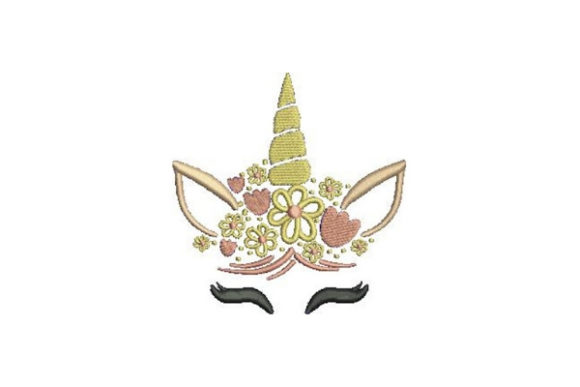
Boo immediately catches the eye with its playful, almost mischievous expression. The shape is simple but well-proportioned, making it easy to adapt to different sizes and placements. The layout feels balanced, with enough detail to make it visually interesting without being overwhelming. It has a soft, friendly vibe that makes it perfect for children’s items or holiday-themed projects.
The design seems to be built with both simplicity and charm in mind. It doesn’t have intricate details that might be hard to stitch, but it still has enough character to stand out. Whether it’s used as a standalone element or part of a larger composition, Boo has a visual personality that’s easy to work with.
Real-World Use Cases: Where Boo Fits Best
Boo is ideal for custom apparel, especially baby clothes, tote bags, and sweatshirts. Its size and style make it a great fit for a child’s hoodie or a personalized apron. It also works well as an embroidered patch or a decorative accent on caps and hats. For small business owners and Etsy sellers, Boo could be a solid addition to a line of handmade products or digital design assets.
When used on a tote bag, Boo adds a touch of whimsy that appeals to parents looking for unique, personalized gifts. On a baby onesie, it becomes a charming, memorable detail that families will love. As a holiday embroidery project, it could be adapted into a festive design for Christmas or Halloween, depending on the color choices.
Performance in Real Embroidery Situations
Testing Boo on different fabrics showed that it works best on medium-weight materials like cotton or canvas. On thin or stretchy fabrics, it may require extra stabilizer to prevent puckering or distortion. The design’s stitch density is moderate, which means it should be manageable on most machines without causing thread breakage or jamming.
For applique designs, Boo could be a good candidate if the fabric is suitable. However, the design doesn’t have a clear outline, so it might not be ideal for cutwork or complex applique techniques. As a satin stitch or fill stitch design, it holds up well, though the details in the corners are slightly less defined.
Where to Be Careful: Limitations and Considerations
While Boo is generally user-friendly, there are a few areas where caution is needed. On small hoop sizes, the design may need to be split or adjusted to fit properly. For textured fabrics, such as denim or fleece, the stitching might not look as crisp as on smoother materials. Thin or dark fabrics could also affect the visibility of the design, depending on the thread colors chosen.
If you’re planning to use Boo on a curved surface like a cap or hat, be prepared to adjust the placement slightly. The design’s edges might not follow the curve as smoothly as a more streamlined shape would. Additionally, if you're working with a layered garment or a product that requires frequent washing, consider how the design will hold up over time.
Impact on Visual Appeal and Customer Perception
Boo has a strong visual appeal that can enhance the overall look of any finished product. Its friendly, approachable style makes it ideal for handmade products that target children or families. When used on a personalized gift, it adds a special touch that customers will appreciate.
From a commercial perspective, Boo could help build brand consistency for a craft business or boutique. Its versatility allows it to be used across multiple product types, making it a valuable addition to an embroidery library. For Etsy sellers, it could be a reliable design to include in listings, especially if paired with other similar motifs.
Practical Designer Notes: Tips for Using Boo
Before using Boo in a project, I always recommend testing it on scrap fabric. This helps you see how the design looks in different thread colors and on various materials. Pay attention to the stitch density—too much could cause the fabric to pucker, while too little might make the design look sparse.
Check the hoop size required for your machine. If the design is too large for your current setup, you may need to adjust it or use a larger hoop. Also, inspect the small details closely, especially if you plan to use it on a product that will be seen up close, like a baby item or a patch.
Use proper stabilizer for delicate or stretchy fabrics. Test the design in black and white mockups to see how it looks against different backgrounds. Compare it on light and dark fabrics to ensure it remains visible and appealing in all contexts.
Final Thoughts: A Useful Addition for Many Projects
Boo is a practical, adaptable embroidery design that can serve a variety of purposes. Whether you're creating custom apparel, personalized gifts, or small shop merchandise, it has the potential to add value and appeal to your work. With careful consideration of fabric type, hoop size, and stitch settings, Boo can become a reliable part of your embroidery toolkit.
For designers and crafters looking for a friendly, versatile design, Boo is worth exploring. Just remember to test it thoroughly and keep the end-use in mind. After all, the goal is to create beautiful, functional, and marketable finished products that customers will love.