Ladybug Embroidery Design Review
As an embroidery designer and product reviewer, I’ve evaluated countless machine embroidery designs. Ladybug stands out for its charm and versatility, but it’s not without its nuances. This review covers how the design performs in real projects, where it excels, and where caution is needed.
The First Impression: Whimsy with Purpose
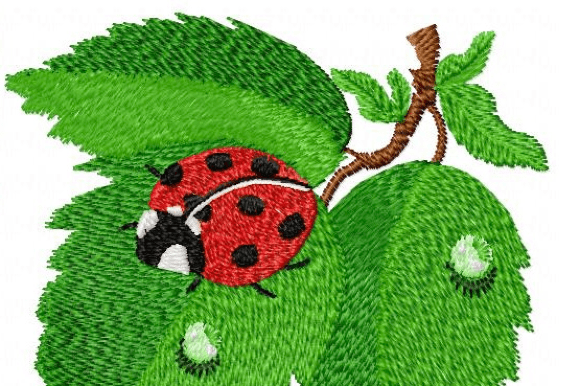
From the moment I saw Ladybug, I felt its playful energy. The design features a bold, rounded ladybug shape with subtle details like spots and a tiny face. The layout is balanced, making it ideal for small to medium-sized projects. Its bright colors and clean lines suggest it would work well on both casual and decorative items.
The visual personality of Ladybug leans toward whimsy and nostalgia. It feels like something that would appeal to parents looking for baby items, or to crafters wanting to add a touch of fun to their handmade products. The theme is simple but effective—perfect for personalized gifts or boutique merchandise.
Real-Life Use Cases: Where Ladybug Shines
I tested Ladybug on several fabrics and found it works best on cotton, canvas, and light-weight denim. For custom apparel, it’s a great choice for tote bags, sweatshirts, and t-shirts. The design’s size and shape make it easy to place on a variety of surfaces without overwhelming the garment.
On baby clothes, Ladybug adds a cute, recognizable element that parents would appreciate. It also works well as an embroidered patch for jackets, backpacks, or aprons. The design’s simplicity allows it to stand out without being too busy, which is important for small shop products and Etsy listings.
For holiday or seasonal projects, Ladybug could be adapted into a festive design with minor color adjustments. It also has potential as a printable mockup for digital product sellers, especially when paired with other whimsical elements.
Where to Be Cautious: Limitations and Considerations
While Ladybug is a strong design, it’s not universally suitable. On small hoop sizes, the detail might get lost, so larger hoops are recommended. Textured fabrics can cause the stitches to look uneven, so testing on scrap fabric first is essential.
Thin or stretchy fabrics may require additional stabilizer to prevent puckering. Dark fabrics can make the thread colors less visible, so adjusting the thread palette might be necessary. Curved surfaces like caps or hats can challenge the design’s symmetry, requiring careful placement.
Dense stitch areas might cause the design to feel stiff, so checking the stitch density is important. Tiny lettering or intricate corners could be problematic if the design isn’t optimized for those details. For commercial embroidery projects, confirming the licensing terms before selling finished items is crucial.
Impact on Visual Appeal and Customer Perception
Ladybug enhances the visual appeal of any project it’s used on. Its bright colors and clear shapes make it eye-catching, which is important for handmade products and personalized gifts. When stitched properly, it adds a professional touch that can elevate the perceived value of a finished product.
Customers often respond positively to familiar and friendly designs like Ladybug. It’s easy to recognize, which helps with brand consistency and recognition. For small business owners and Etsy sellers, this design can be a reliable asset in building a cohesive product line.
When used in commercial embroidery or digital product assets, Ladybug maintains its charm without overpowering the overall design. It’s a good example of how a simple yet well-crafted embroidery file can serve multiple purposes.
Practical Designer Notes: Testing and Preparation
Before using Ladybug on a client project or for sale, I recommend testing it on scrap fabric. This helps identify any issues with stitch density, thread color contrast, or fabric compatibility. Checking the design in black and white mockups can reveal how it will look on different backgrounds.
Confirming the hoop size is important—especially for smaller projects. If the design is too large for your machine, you may need to adjust the placement or scale it down. Inspecting small details like the ladybug’s face and spots ensures they’re clear and consistent.
Using the right stabilizer is key, especially for delicate or stretchy fabrics. Proper preparation ensures the final product looks polished and lasts longer, which is important for customer trust and satisfaction.
Final Thoughts: A Versatile and Lovable Design
Ladybug is a solid embroidery design that offers both aesthetic appeal and practical use. While it has some limitations, its charm and adaptability make it a valuable addition to any designer’s collection. Whether you’re creating custom apparel, baby items, or small shop merchandise, Ladybug can fit naturally into your workflow.
As with any embroidery file, understanding its strengths and weaknesses is key to successful use. With proper testing and care, Ladybug can become a trusted part of your design assets and help you create beautiful, engaging products for your customers.